
Formal Gowns for Women: The Complete Occasion Dress Guide
What Sets a Formal Gown Apart
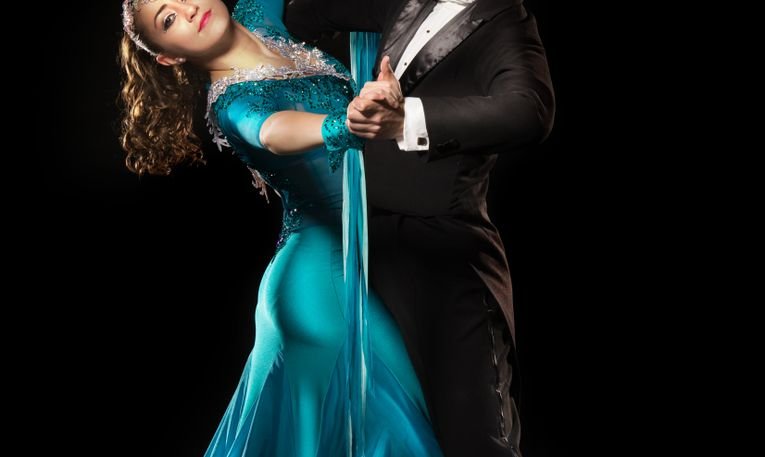
A formal gown differs from an everyday dress in fabric, structure and length, typically floor-length or close to it, made from fabrics like satin, chiffon or crepe that hold their shape and drape well under evening lighting. Formal gowns are built for occasions with a clear dress code, black-tie events, formal weddings, award ceremonies or galas, where the outfit needs to read as considered and appropriately dressed up from across a room.
Long Formal Gown Styles
Long formal gowns generally fall into a few core silhouettes: A-line gowns that skim the body before flaring gently from the waist, fitted mermaid or fishtail styles that hug the body before flaring near the knee, and straight column gowns that follow the body’s natural line with minimal flare. Choosing between them often comes down to the level of movement needed for the event, a fishtail gown restricts stride length more than an A-line, which matters for anything involving dancing or a longer evening on your feet.
Ball Gowns With Sleeves
Sleeved ball gowns have grown in popularity as an alternative to strapless or fully bare styles, offering more coverage for formal winter events and a different silhouette overall. Long sleeves suit cooler-weather formal events and photograph well in structured fabrics like satin or brocade, while sheer or lace sleeves offer coverage without the same warmth, better suited to warmer formal occasions.
Modest Formal Gowns
Modest formal gowns prioritise higher necklines, longer sleeves and reduced body-skimming through the silhouette, without sacrificing the formality expected at black-tie or religious and cultural events with specific dress requirements. Look for gowns specifically described as modest or high-neck by the retailer, since standard formal gown ranges do not always include enough coverage options as a default filter.
Evening Dresses With Sleeves
Sleeved evening dresses sit between a full formal gown and a shorter cocktail dress, often knee-length to midi rather than floor-length, making them suitable for a slightly less formal evening occasion such as a dinner or a smart party. Fabric weight and sleeve style shift the formality level significantly: a fitted long sleeve in a structured fabric reads more formal than a loose, flowing bell sleeve in a lighter chiffon.
Cruise and Warm-Weather Evening Dresses
Cruise evening dresses need to balance formality with practicality for warmer, often humid climates, typically favouring lighter fabrics like chiffon or crepe over heavier satin or brocade. Shorter hemlines, midi rather than full floor-length, and breathable fabric matter more here than in a typical formal gown, since cruise formal nights are usually less strict than a full black-tie event on land.
A-Line Occasion Dresses
A-line dresses remain one of the most universally flattering formal silhouettes, skimming rather than clinging through the midsection before flaring gently from the waist or just below the bust. This makes them a reliable choice across body shapes and a wide range of formal occasions, from weddings as a guest to formal dinners, without needing the same fit precision that a fitted mermaid gown requires.
Formal Gowns for Tall Women
Tall women often find that standard gown lengths sit noticeably shorter than intended, so checking the specific length measurement against your height, rather than relying on standard sizing alone, matters more than in most other dress categories. Column and straight silhouettes tend to suit a taller frame particularly well, and some retailers now offer extended-length or tall-specific formal ranges worth checking before ordering a standard length.
Choosing a Formal Gown by Occasion
| Occasion | Best Style | Key Consideration |
|---|---|---|
| Black-tie event | Full-length A-line or column gown | Floor-length expected, structured fabric |
| Winter formal event | Ball gown with long sleeves | Warmer fabric, fuller coverage |
| Cruise formal night | Midi to floor-length in lighter fabric | Breathable, less rigid formality |
| Religious or cultural event | Modest, high-neck formal gown | Coverage requirements as a priority |
| Formal dinner or smart party | Sleeved evening dress, midi to floor | Slightly less formal than a full gown |
Choosing the Right Fabric for a Formal Gown
Satin holds a smooth, structured drape and photographs well under evening lighting, making it a common choice for formal gowns. Chiffon and crepe offer a softer, more flowing movement suited to warmer occasions or dancing, while brocade and heavier jacquard fabrics carry more visual weight and texture, well suited to winter formal events. Fabric choice should reflect both the season and the event’s formality level as much as personal preference.
Accessorising a Formal Gown
A formal gown generally calls for more considered jewellery than an everyday dress, a statement necklace or earrings, but rarely both at once, alongside a structured or metallic clutch. For pieces that suit formal occasions well, see our guide to statement jewellery for chunky silver, white gold and gemstone pieces, and for heel comfort across a long formal event, our guide on how to make heels more comfortable is worth reading before the event.
Frequently Asked Questions
What is the difference between a ball gown and an A-line gown?
A ball gown typically features a very full, structured skirt from the waist down, often with boning or a supportive underlayer, while an A-line gown flares more gently and naturally without the same volume or structure.
Are sleeved formal gowns less formal than strapless ones?
No, sleeve length does not determine formality on its own; fabric, structure and overall silhouette matter more, and sleeved gowns are widely accepted at black-tie events, particularly in colder months.
What should I wear to a cruise formal night?
A midi to floor-length dress in a lighter fabric such as chiffon or crepe generally suits cruise formal nights well, since the dress code is usually less strict than a land-based black-tie event.
How do I find a formal gown that suits a modest dress code?
Search specifically for modest or high-neck formal gown ranges, since standard formal collections do not always default to higher coverage options, and check sleeve length and neckline details closely before ordering.
What formal gown silhouette suits a taller frame best?
Column and straight silhouettes tend to suit taller frames particularly well, though checking the specific garment length against your height matters more than silhouette alone, since standard lengths often run shorter than expected.
Final Thoughts
Choosing a formal gown comes down to matching silhouette, fabric and coverage to the specific event and season, whether that is a structured column gown for black-tie, a sleeved ball gown for winter, or a lighter A-line for a cruise formal night. Getting the formality level right matters as much as personal style when the dress code is clearly defined.
Written by the CheapTomsSale editorial team, covering affordable women’s formal and occasion dresses for UK shoppers.