
Hypoallergenic Jewellery in the UK: A Guide for Sensitive Skin
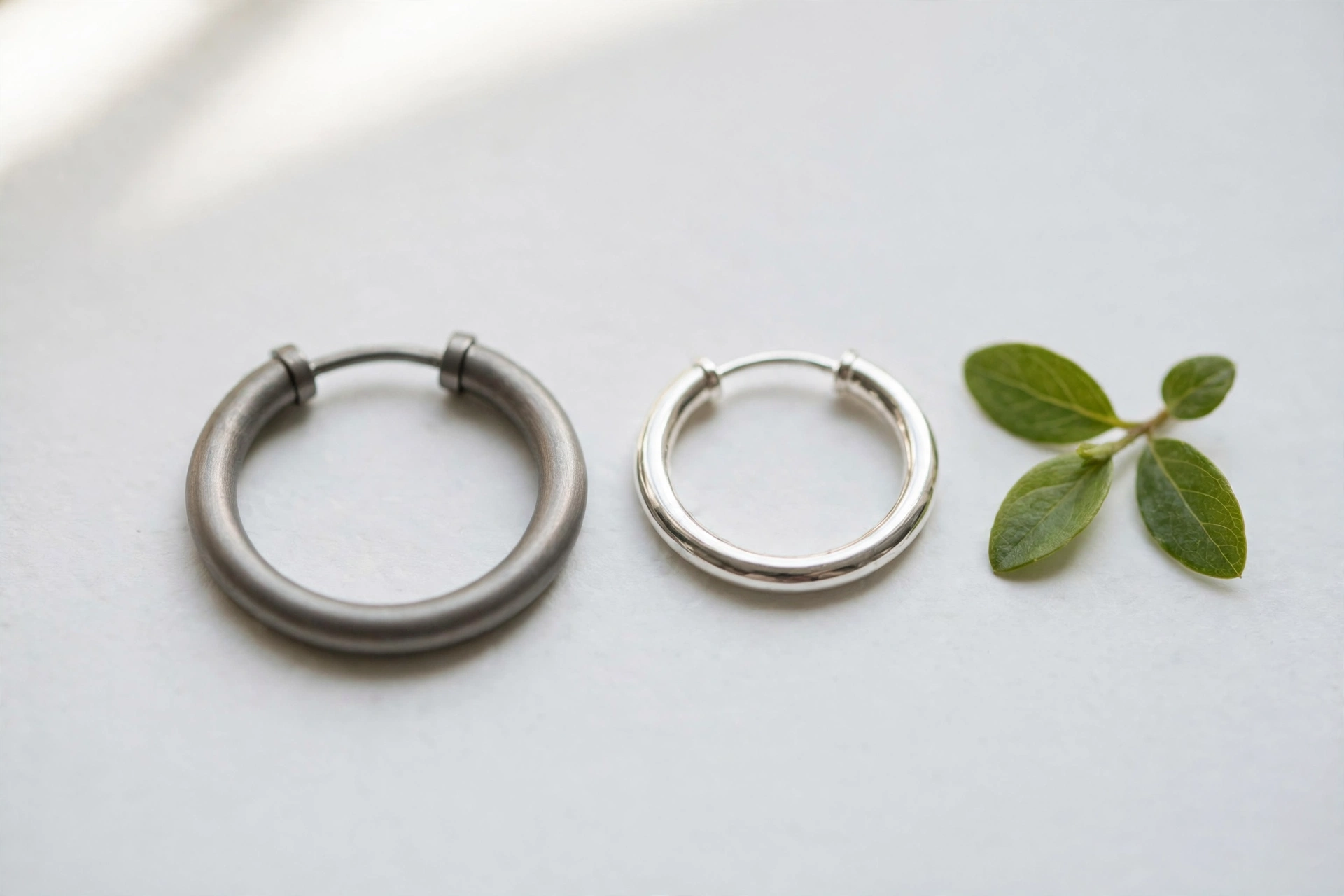
Hypoallergenic jewellery can be the difference between earrings you wear all day and earrings you take off within an hour. If your skin itches, reddens or swells after wearing jewellery, the metal is often the cause, not the design. This guide explains what hypoallergenic really means, which materials are safest, how to test for nickel at home, and what to buy on a budget in the UK.
Short answer: hypoallergenic means the piece is made from a material that is less likely to cause an allergic reaction. It does not mean allergy proof. The safest everyday choices are titanium, sterling silver, surgical steel and solid gold. Nickel is the most common trigger, so check the material and the nickel content before you buy.
What Does Hypoallergenic Jewellery Mean?
Hypoallergenic is a description, not a regulated standard in the UK. No law sets a single test that a piece must pass to use the word. That means two shops can use the same word for very different products. One may sell implant grade titanium. Another may sell a plated alloy with a thin coating over a nickel base. The coating wears away, the base metal touches the skin, and the reaction returns.
Read the material, not just the label. A trustworthy listing states the exact metal, for example surgical steel 316L, titanium grade 5, or sterling silver 925. If a listing only says hypoallergenic, allergy free or skin safe, ask the seller for the material before you buy. A seller who cannot answer is a warning sign.
Why Jewellery Irritates Skin: Nickel and Other Triggers
Nickel allergy is the most common jewellery allergy. Nickel is cheap, strong and widely used in alloys, plating and clasps. It can also hide in the parts you do not see: earring posts, butterfly backs, chain links and ring linings. A piece can look nickel free on the outside and still contain nickel inside.
Other triggers include cobalt, copper and some plating chemicals. Reactions usually appear where the metal touches the skin for a long time: earlobes, wrists, fingers and the neck. Symptoms include itching, redness, swelling, dry patches and small blisters. If a reaction spreads, blisters badly, or keeps returning, stop wearing the piece and speak to a GP or dermatologist. This guide does not diagnose skin conditions.
The EU Nickel Directive, which still shapes UK practice, limits how much nickel can be released from items that touch the skin for a long time. Look for sellers who refer to nickel release testing or to assay office testing, such as AnchorCert Protect from the Birmingham Assay Office. That kind of testing is a stronger signal than a marketing claim alone.
The Safest Materials: Titanium, Sterling Silver, Surgical Steel and More
Titanium is one of the safest choices for sensitive skin, especially for earrings and new piercings. Implant grade titanium is used in medical implants because the body tolerates it well. It is light, strong and rarely causes reactions. It costs more than steel, but for earring posts and studs the difference is often worth it.
Sterling silver marked 925 is usually well tolerated, but it is not nickel free by definition. Standard sterling silver is silver mixed with copper, and most pieces contain little or no nickel. If you react to sterling silver, check the plating and the findings, which are the small parts such as posts and clasps, before you rule out silver itself.
Surgical steel 316L is widely used and usually safe for healed piercings and everyday wear. It does contain a small amount of nickel, but the nickel is bound into the steel in a way that releases very little. Some people with strong nickel allergy still react to it, so titanium is the safer first choice if your allergy is severe.
Solid gold of 14 carat or higher is usually safe, because higher carat gold contains less alloy. Gold plated jewellery is less reliable. The plating wears, and the base metal underneath may contain nickel. If you buy plated pieces, choose earrings and pendants, which touch the skin less than rings and bracelets, and replace them when the plating wears.
Nickel Free Jewellery: What the Label Really Means
Nickel free should mean the piece contains no nickel, but in practice it often means no nickel was added on purpose, or the nickel release is below a testing limit. Ask two questions: what is the base metal, and what are the posts, backs and clasps made from? A nickel free pendant on a nickel chain is not nickel free in use.
For earrings, the post matters most. A titanium or surgical steel post with a matching back is safer than a gold plated post. For necklaces and bracelets, check the clasp and the chain, not just the pendant. For rings, check the inner band, which sits against the skin all day.
Earrings for Sensitive Ears: What to Look For
Choose studs with a short, smooth post and a secure back that does not pinch. Screw backs and flat backs suit sensitive ears and new piercings. Avoid heavy drop earrings while your ears are reacting, because weight pulls on sore skin and prolongs irritation. Let the skin calm down, then reintroduce earrings in a safe material for short periods.
Clean new earrings before first wear, and clean them after wear if you have reacted before. Keep earrings in a dry pouch, not loose in a bag where they pick up dirt and other metals. If a pair keeps causing problems even in titanium, the issue may be the back or a coating, so try a different back from the same safe material.
How to Test Jewellery for Nickel at Home
Nickel test kits are sold online and in some pharmacies in the UK. They use a solution and a cotton swab. Rub the swab on the metal, add the solution, and watch for a pink colour, which suggests nickel is present. Test the parts that touch the skin, not just the visible front of the piece. Test posts, backs, clasps and inner bands separately.
A home test is a useful screen, not a medical diagnosis. A negative result does not guarantee the piece is safe for you, and a positive result means you should avoid wearing it against the skin. Keep the test away from children, follow the kit instructions, and do not use it on broken skin. If you need certainty for a piercing, ask a reputable piercer or jeweller for a material certificate.
What to Buy on a Budget: Picks Under 15, 30 and 50 Pounds
Under 15 pounds, look for surgical steel or titanium studs and simple chains. These are widely available and they cover everyday wear well. Under 30 pounds, sterling silver studs, pendants and slim bracelets offer better design choice without leaving the safe materials. Under 50 pounds, you can find titanium earring sets, sterling silver bracelets with secure clasps, and gold vermeil pendants for occasional wear.
Budget advice: spend on the parts that touch the skin first. A titanium post with a simple silver stud beats a fancy plated design with a mystery alloy post. Buy fewer pieces in safe materials rather than many pieces in unknown alloys. That approach saves money over time, because safe pieces get worn instead of sitting in a drawer.
For outfit planning, a safe jewellery choice also needs to fit the occasion. Our guide to smart casual dress code for women in the UK shows how simple, well chosen pieces complete a smart casual outfit without overpowering it.
Caring for Hypoallergenic Jewellery So It Stays Safe
Clean jewellery regularly with warm water, mild soap and a soft cloth, then dry it fully before storing. Keep pieces in separate pouches so metals do not scratch each other and coatings do not wear early. Apply perfume, lotion and hairspray before putting jewellery on, and take jewellery off before swimming, showering or exercising. Chlorine, salt water and sweat all speed up wear and can expose the base metal sooner.
Check clasps, posts and plating every few months. If plating is worn, the setting is loose, or a post feels rough, stop wearing the piece until it is repaired or replaced. A small repair costs less than a skin reaction that stops you wearing jewellery altogether.
When to See a GP or Dermatologist
See a GP or dermatologist if reactions keep returning, spread beyond the contact area, blister, weep, or do not settle after you stop wearing the piece. A dermatologist can arrange patch testing, which identifies the exact metal or chemical you react to. That result makes future buying much easier, because you will know which materials to avoid by name rather than by trial and error.
Do not try to diagnose yourself from a single reaction. New piercings, infections and skin conditions can look similar to metal allergy. Professional advice matters when symptoms are severe, persistent or unclear.
Frequently Asked Questions
Can sterling silver irritate skin?
It can, but it is uncommon. Most reactions blamed on sterling silver come from the posts, backs, clasps or plating, not the silver itself. Check those parts first.
Is gold plated jewellery safe for sensitive skin?
It can be safe while the plating is intact, but it becomes less safe as the plating wears and the base metal is exposed. For sensitive skin, solid or vermeil pieces in a known metal are safer long term.
Are clip on earrings safer than pierced earrings?
Not always. Clip ons avoid a piercing, but they still press metal against the skin for hours. The material matters more than the fitting. Choose clip ons in titanium or surgical steel if you react easily.
What is the safest metal for new piercings?
Implant grade titanium is widely recommended by reputable piercers for new piercings, followed by surgical steel. Avoid plated and unknown alloy jewellery in a fresh piercing.
Does hypoallergenic mean nickel free?
No. Hypoallergenic means less likely to cause a reaction. Always check the exact material and, for nickel allergy, the nickel content of every part that touches the skin.
Conclusion
Safe jewellery for sensitive skin starts with the material, not the marketing word. Titanium, sterling silver and surgical steel cover most needs, and checking posts, backs and clasps prevents most surprises. Test for nickel when you are unsure, spend your budget on safe skin contact parts, and get patch testing if reactions persist. With those habits, sensitive skin does not have to mean giving up jewellery.