
Jewellery Making Kits: The Complete Beginner’s Guide
Why Jewellery Making Has Grown So Popular
Jewellery making sits at the intersection of a practical hobby and a genuinely useful skill, letting anyone create personalised pieces, repair loose or broken items, or build a small side income, without needing formal training to get started. A good jewellery making kit removes most of the guesswork from beginning the hobby, bundling the tools and materials needed to complete a first project in one purchase.
What to Look for in a Jewellery Making Kit
Not all jewellery making kits are built the same way, and the right one depends heavily on what you actually want to make. A kit aimed at beaded jewellery looks very different from one built around wire wrapping or resin work, so checking the specific technique a kit covers matters more than simply choosing the highest-rated option.
Core Tools Included
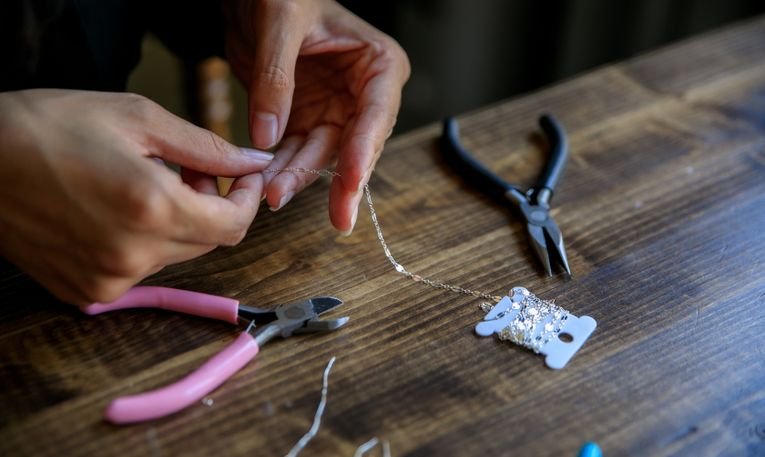
Most starter kits include round-nose pliers, flat-nose pliers, and wire cutters as the essential trio for shaping wire, opening and closing jump rings, and trimming excess material cleanly.
Materials Provided
Beads, wire, findings such as clasps and jump rings, and a storage case or organiser box are common inclusions, giving enough to complete several starter projects before needing to restock.
Instructions and Skill Level
A kit aimed at genuine beginners should include clear, illustrated instructions for at least a few complete projects, rather than assuming prior knowledge of basic techniques like wire wrapping or crimping.
Jewellery Making Kits by Technique
| Technique | Best For | Key Tools Needed |
|---|---|---|
| Beading | Necklaces, bracelets, earrings | Beading needles, thread or wire, clasps |
| Wire wrapping | Rings, pendants, statement pieces | Round-nose pliers, wire cutters, various gauge wire |
| Resin jewellery | Pendants, earrings with embedded designs | Resin, moulds, mixing tools, UV or curing light |
| Polymer clay jewellery | Colourful, sculptural pieces | Clay, cutting tools, an oven for curing |
Jewellery Making Kits for Adults vs Kids
Jewellery making starter kits for adults typically include finer tools and more advanced materials, real wire gauges, glass or semi-precious beads, and techniques like wire wrapping that require more hand dexterity. Kits designed for children generally use larger, easier-to-handle beads, simpler stringing techniques, and rounded, safer tools, prioritising a fun, low-frustration first experience over technical precision.
Ring Making Kits
Jewellery ring making kits have become particularly popular as a standalone category, letting beginners create custom rings using wire wrapping or simple banding techniques without needing a full jewellery-making setup. These kits typically include ring mandrels for sizing, wire in a suitable gauge, and a small selection of beads or stones to embed into the design.
Essential Extras: Glue and Finishing Tools
Jewellery glue is worth having on hand even for kits centred on wire or beading techniques, useful for securing knots, attaching small embellishments, or repairing pieces later. A good jewellery glue should be described specifically as suitable for the materials you are working with, since adhesives formulated for metal, glass and fabric all perform differently.
How to Make Jewellery: Getting Started
Step 1: Choose One Technique to Start
Rather than buying a kit that tries to cover every technique at once, starting with one, beading or wire wrapping are both accessible entry points, builds confidence before expanding into more advanced methods.
Step 2: Practice With Inexpensive Materials First
Working through a first project or two with lower-cost beads or wire before using better materials helps build technique without the pressure of working on an expensive piece.
Step 3: Learn Basic Wire Wrapping
Wire wrapping is one of the most versatile techniques to learn early, since it applies across rings, pendants and earrings, and requires only pliers and wire cutters to begin.
Step 4: Build a Small Toolkit Gradually
Rather than buying every tool at once, adding pieces as specific projects require them keeps costs manageable while building a genuinely useful toolkit over time.
Storing Jewellery Making Supplies
A compartmentalised storage box keeps beads, findings and small tools organised and prevents smaller pieces from getting lost or tangled together. For finished pieces once they are complete, see our guide to the best jewellery boxes for women.
Turning Jewellery Making Into a Side Project
Many jewellery makers eventually sell pieces alongside making them for personal use, whether through a market stall, social media, or an online shop. Starting with a small, focused product range, one technique and a consistent style, generally builds a stronger foundation than trying to offer every jewellery type at once.
Frequently Asked Questions
What is the best jewellery making kit for a complete beginner?
A beading or basic wire-wrapping kit with clear illustrated instructions and pre-selected materials generally offers the easiest entry point for someone with no prior jewellery-making experience.
Do I need expensive tools to start making jewellery?
No, a basic set of round-nose pliers, flat-nose pliers and wire cutters covers most beginner projects, with more specialised tools worth adding only once specific techniques call for them.
Can children safely use a jewellery making kit?
Kits specifically designed for children use larger beads, simpler techniques and rounded, safer tools, making them appropriate for younger crafters when chosen for the right age range.
What type of jewellery glue should I use?
Choose a glue specifically formulated for the materials involved, metal, glass or fabric adhesives all perform differently, and check the product description matches your specific project materials.
How do I choose between a beading kit and a wire wrapping kit?
Beading suits necklaces, bracelets and simple earrings well, while wire wrapping offers more versatility for rings, pendants and statement pieces, so the choice depends on what you most want to make first.
Final Thoughts
A good jewellery making kit removes much of the early guesswork from starting the hobby, provided it matches the specific technique you want to learn, beading, wire wrapping, resin or polymer clay. Starting with one core technique and a small, manageable toolkit builds genuine skill faster than trying to master everything at once.
Written by the CheapTomsSale editorial team, covering affordable jewellery guides and hobby craft advice for UK shoppers.