
How to Make Your Makeup Last All Day: A Complete Guide
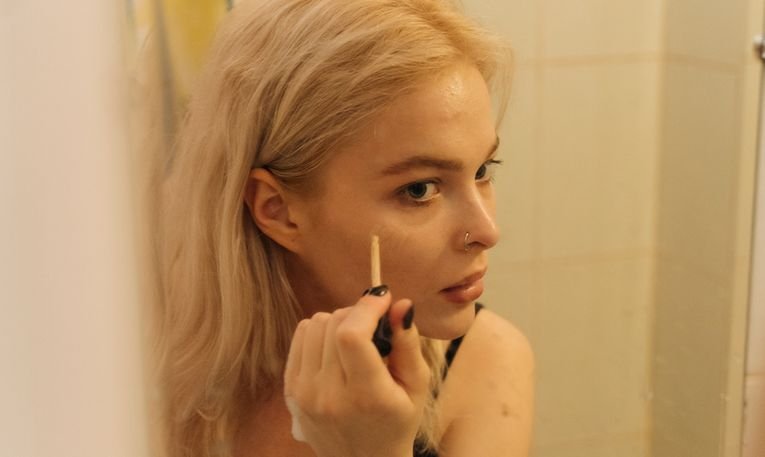
Why Makeup Fades Faster Than You Think
Makeup breaks down for three main reasons: oil production pushing through the base, sweat and humidity disrupting pigment, and simple friction from touching your face, eating, and wearing a mask or scarf. Skin type plays the biggest role; oily skin loses makeup fastest around the T-zone, while dry skin tends to fade patchily as products absorb unevenly into dry patches. Knowing which of these applies to you changes which fixes actually work.
The Foundation of Long-Lasting Makeup: Skin Prep
Most makeup that fades quickly fails at the prep stage, not the application stage. Skin that is under-moisturised produces more oil to compensate, which then breaks down makeup from underneath. Skin that is over-moisturised right before application can stop makeup gripping properly. The goal is balanced, fully absorbed hydration before a single product goes on.
Step 1: Cleanse Properly
Any leftover oil, sunscreen or yesterday’s product residue creates a barrier that stops makeup adhering evenly. A thorough cleanse, even in the morning, is worth the extra minute.
Step 2: Moisturise and Wait
Apply a lightweight moisturiser suited to your skin type and give it two to three minutes to absorb fully before starting makeup. Applying foundation over half-absorbed moisturiser is one of the most common causes of makeup sliding off by midday.
Step 3: Use a Primer Suited to Your Skin
Primer is not optional for all-day wear. Oily skin benefits from a mattifying, pore-blurring primer; dry skin benefits from a hydrating, dewy primer; combination skin often needs both, applied only where each is needed.
How to Make Your Makeup Last All Day: Application Techniques
Apply Foundation in Thin Layers
Thick foundation applied in one go is more likely to crease, slide and separate over the day. Building coverage in two thin layers, allowing the first to set before the second, creates a more durable finish than one heavy layer.
Set with Powder, Strategically
Setting powder is most important in the T-zone, chin and under-eye area, where oil and movement cause the fastest breakdown. Over-powdering the whole face can look cakey and actually reduce wear time by making the base crack rather than flex with your skin.
Use Cream Products Before Powder Products
Layer products from thinnest to thickest and cream to powder: moisturiser, primer, cream foundation or concealer, then powder products like bronzer and blush. Applying powder before cream products causes patchiness and shortens wear time.
Bake Strategically for Events
Baking, pressing a heavier layer of translucent powder onto concealer and letting it sit for several minutes before dusting off, sets makeup for several extra hours of wear. It is worth the extra step for events but unnecessary for a normal day.
Setting Sprays: Do They Actually Work?
Setting sprays create a thin polymer film over finished makeup, which helps lock pigment in place and reduces transfer. They matter most on hot or humid days and for long events. Spray in an X and T motion from about 20 to 30 centimetres away, then let it dry fully before touching your face, since disturbing wet setting spray can smear makeup rather than protect it.
Adjusting Your Routine by Skin Type
| Skin Type | Where Makeup Fades First | Key Fix |
|---|---|---|
| Oily | T-zone (forehead, nose, chin) | Mattifying primer, set T-zone with powder, blot midday |
| Dry | Patchy fading around cheeks and mouth | Hydrating primer, cream products, skip heavy powder |
| Combination | Oily centre, dry edges | Zone-specific primer, powder only where needed |
| Sensitive | Uneven wear from irritation | Minimal layering, fragrance-free, gentle setting spray |
Midday Touch-Ups Without Ruining Your Base
- Blot before you powder. Pressing a blotting sheet on oily areas first stops touch-up powder building into a thick, cakey layer.
- Use a damp sponge for concealer touch-ups. A dry finger or brush drags at midday makeup; a slightly damp sponge blends new product without disturbing what is underneath.
- Refresh, don’t reapply. A setting spray or facial mist over tired makeup often revives it better than adding another full layer of foundation.
- Carry only what you need. Blotting sheets, a travel concealer and a small setting spray cover most midday fixes without a full makeup bag.
Common Mistakes That Shorten Makeup Wear
- Skipping primer to save time. Primer is the single biggest factor in wear time after skin prep.
- Using the wrong foundation formula. A dewy foundation on very oily skin, or a matte foundation on very dry skin, fights your skin type rather than working with it.
- Touching your face throughout the day. Repeated contact transfers oil from your fingers and physically wears down makeup faster than skin chemistry alone.
- Not setting concealer under the eyes. This area moves and creases the most; a light dusting of powder here specifically extends wear significantly.
- Applying makeup on unwashed skin. Skipping the cleanse step undermines everything applied afterwards.
Building a Long-Wear Routine on a Budget
Long-lasting makeup does not require expensive products across the board; prep and technique matter more than price. A properly prepped base starts before makeup even goes on, see our guide to skincare routine order for beginners for the layering that sets makeup up to last. If you are still building your kit, our guide to the best makeup products for beginners in the UK covers affordable options worth starting with, including primers and setting products that perform well without a high price tag.
Frequently Asked Questions
How long should I wait between moisturiser and foundation?
Two to three minutes is usually enough for moisturiser to absorb fully. Applying foundation too soon over unabsorbed moisturiser is a common cause of makeup sliding by midday.
Does setting powder really make a difference?
Yes, particularly in the T-zone and under the eyes, where oil and movement cause the fastest breakdown. Powder applied only where needed extends wear without a heavy, cakey finish.
What is the difference between a primer and a setting spray?
Primer prepares the skin before makeup application to help products adhere; setting spray locks finished makeup in place afterwards. Both work together rather than replacing each other.
Why does my makeup fade faster in summer?
Heat increases oil production and sweat, both of which break down foundation pigment faster. Lightweight, oil-controlling primers and a setting spray matter more in warm weather than in winter.
Can drugstore makeup last as long as high-end makeup?
Yes, wear time depends more on skin prep, formula suitability and technique than on price. Several affordable long-wear foundations and primers perform comparably to premium versions.
Final Thoughts
Learning how to make your makeup last all day comes down to prep before products, matching your routine to your skin type, and setting strategically rather than heavily. Get those three right and most makeup, regardless of price, holds up far longer than expected.
Written by the CheapTomsSale editorial team, covering affordable beauty, makeup tips and buying guides for UK shoppers.