
Best Comfortable Walking Shoes for Women UK: The Complete Guide
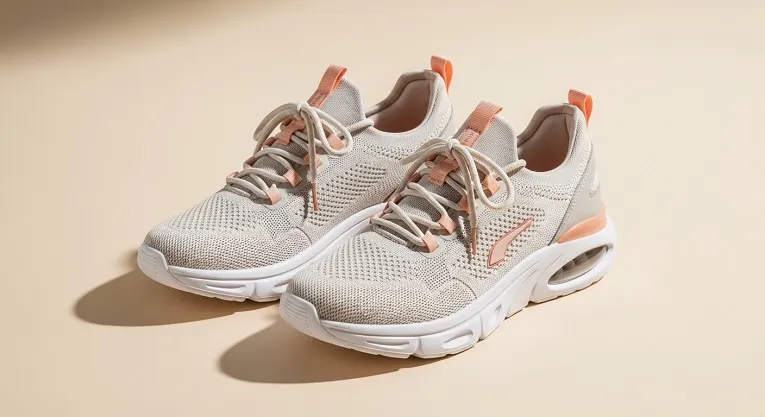
Why the Right Walking Shoe Matters
Comfortable walking shoes affect far more than your feet. Poor support and cushioning show up as knee, hip and lower back discomfort after enough miles, since the whole body compensates for a shoe that isn’t doing its job. For women who walk to work, walk the dog daily, or simply prefer walking over driving for shorter trips, getting this one purchase right pays off across every day it’s worn.
Key Features to Look For
Cushioning
Midsole cushioning absorbs impact with every step, reducing strain on joints. Foam-based midsoles (EVA or newer proprietary foams) offer a good balance of softness and energy return for everyday walking, while firmer cushioning suits those who prefer more ground feedback.
Arch Support
Proper arch support matters more the further you walk. Flat-footed and high-arched feet both need different support levels, so trying shoes on and walking a short distance in-store, rather than judging from standing alone, gives a much better sense of fit.
Breathability
Mesh or perforated uppers keep feet cooler on longer walks and in warmer UK weather, reducing sweat build-up that can lead to blisters over time.
Weight and Flexibility
A lighter shoe with a flexible sole that bends naturally at the ball of the foot generally feels less fatiguing over a full day than a stiff, heavy design.
Types of Walking Shoes by Use Case
| Use Case | Best Style | Key Feature to Prioritise |
|---|---|---|
| Daily commute / work | Lightweight trainer or smart trainer | Breathability, all-day comfort |
| Long walks / hiking-adjacent | Cushioned walking shoe or trail trainer | Arch support, grip |
| Wet weather | Water-resistant trainer | Sealed seams, good tread |
| Travel | Slip-on or minimal-lace trainer | Lightweight, packs easily |
Getting the Right Fit
Feet swell slightly over the course of a day, so trying shoes on in the afternoon rather than first thing in the morning gives a more accurate sense of fit. Leave a thumb’s width of space at the toe, and check that the heel doesn’t slip when walking, since heel slippage is one of the most common causes of blisters on longer walks.
Caring for Walking Shoes
- Rotate between two pairs if you walk daily, letting cushioning fully recover between wears.
- Remove insoles to air dry after wet walks, rather than leaving moisture trapped inside.
- Replace shoes every 300 to 500 miles of regular walking, since cushioning compresses and loses support over time even when the upper still looks fine.
- Clean mesh uppers gently with a soft brush and mild soap rather than a washing machine, which can damage cushioning and adhesives.
Budget-Friendly Walking Shoes
Comfort does not require a high price tag. Focus spending on genuine cushioning and support quality rather than brand name, and check return policies so you can test a pair on an actual walk before committing. For wet-weather and winter-specific footwear, see our guide to waterproof boots for women. For general wardrobe pieces to pair with your everyday shoes, see our guide to building a capsule wardrobe for women.
Styling Walking Shoes With Everyday Outfits
Modern walking trainers move easily between practical and stylish, particularly in neutral colourways like white, grey or black that pair with most outfits. For a going-out alternative when trainers won’t suit the occasion, see our guide on how to make heels more comfortable.
Frequently Asked Questions
How do I know if a walking shoe has enough arch support?
Press your thumb into the midsole arch area; it should offer firm resistance rather than collapsing flat. Walking a short distance in-store is the most reliable test, since arch support that feels fine standing still can feel different after a few hundred steps.
How often should I replace walking shoes?
Most walking shoes need replacing every 300 to 500 miles of regular use, since cushioning compresses over time even when the outer material still looks in good condition.
Are trainers or dedicated walking shoes better for daily wear?
Both can work well; the key difference is that dedicated walking shoes are built specifically for the heel-to-toe motion of walking, while general trainers vary widely in how much support they offer for sustained walking.
What is the best material for walking shoes in wet UK weather?
A water-resistant or treated mesh upper with sealed seams handles light rain well, while leather or synthetic leather options offer better protection in consistently wet conditions.
Do I need different shoes for walking versus running?
Yes, running shoes are built for forward impact absorption at speed, while walking shoes prioritise stability and support through a slower, flatter gait. Using running shoes for extensive daily walking can feel less supportive over time.
Final Thoughts
The best comfortable walking shoes for women in the UK come down to genuine arch support, breathable materials and a proper fit checked later in the day rather than first thing in the morning. Prioritising these fundamentals over brand name or trend leads to a pair that actually gets worn, day after day, without complaint.
Written by the CheapTomsSale editorial team, covering affordable women’s shoes and footwear guides for UK shoppers.