
Waterproof Boots for Women: A Complete Winter Guide
Why Waterproof Boots Matter for UK Weather
UK winters bring a specific combination of cold, wet and often muddy or slushy underfoot conditions that ordinary fashion boots are not built to handle. Waterproof boots for women solve this with sealed seams, water-resistant materials, and treads designed for grip on wet surfaces, keeping feet dry and stable through exactly the kind of weather that damages standard leather footwear.
What Makes a Boot Truly Waterproof
Genuinely waterproof boots use either a membrane, such as a breathable waterproof lining, or a fully sealed rubber or treated leather construction, rather than simply water-resistant coatings that wear off over time. Checking the specific product description for the word waterproof, rather than water-resistant or weatherproof, matters here, since these terms describe meaningfully different levels of protection.
Types of Waterproof and Winter Boots
Wellington Boots
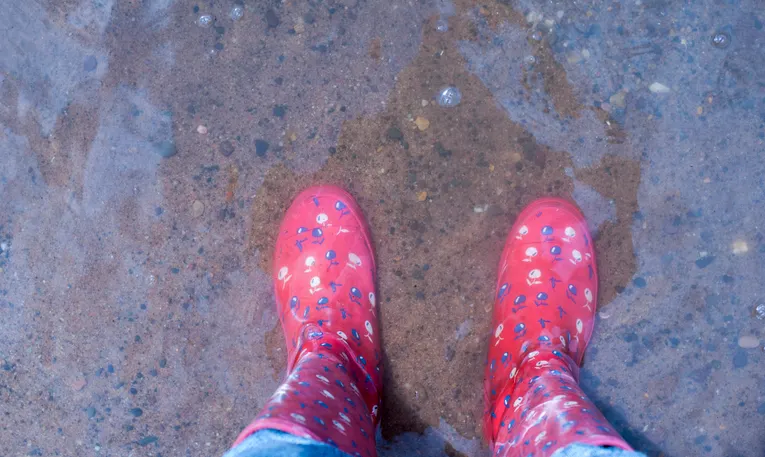
Fully rubber wellington boots offer complete waterproofing and are the most practical choice for genuinely wet, muddy conditions, though they lack insulation on their own and need thicker socks in cold weather.
Snow Boots
Snowshoeing boots for women combine waterproofing with insulation, designed specifically for snow and sub-zero temperatures rather than just rain. These typically feature a higher shaft, aggressive tread pattern, and insulated lining rated for specific temperature ranges.
Waterproof Leather Boots
Treated or specifically constructed waterproof leather boots offer a more fashion-forward look than wellingtons or snow boots while still handling wet conditions, making them a practical everyday choice for UK winters rather than just heavy snow.
Waterproof Ankle Boots
A shorter, everyday-friendly option that combines the practicality of ankle boots with genuine weather protection, suited to commuting and daily wear rather than deep snow or standing water.
Choosing the Right Boot for Different Conditions
| Condition | Best Boot Type | Key Feature Needed |
|---|---|---|
| Heavy rain, standing water | Wellington boots | Full rubber construction |
| Snow and freezing temperatures | Insulated snow boots | Insulation rating and deep tread |
| Everyday wet commute | Waterproof leather or ankle boots | Sealed seams, water-resistant treatment |
| Muddy countryside walks | Wellington or country boots | Deep tread and full coverage |
Insulation and Warmth
Not all waterproof boots are warm, and not all warm boots are waterproof, so checking both features separately matters. Insulated linings, often rated by temperature or thickness in grams, add warmth for genuinely cold conditions, while an uninsulated waterproof boot works better for wet but milder weather where overheating feet becomes the bigger issue.
Grip and Sole Design
A deep, multi-directional tread pattern matters as much as waterproofing for winter safety, since icy or wet pavements cause more falls than the cold itself. Rubber soles generally grip better than harder synthetic soles in cold, wet conditions, and a wider tread base improves stability on uneven or slippery ground.
Styling Waterproof and Winter Boots
Waterproof leather and ankle boots style much like standard boots, working with jeans, trousers and tights under skirts or dresses. Wellingtons and heavily insulated snow boots read more casual and practical, suiting jeans, leggings or trousers rather than dressier pieces, and generally work best for genuinely bad weather days rather than everyday styling. For pairing boots with a full winter wardrobe, see our guide to winter outfit ideas.
Caring for Waterproof Boots
- Reapply waterproofing treatment periodically, since even genuinely waterproof leather boots lose some effectiveness over repeated wear and washing.
- Dry boots slowly, away from direct heat, since fast drying near a radiator or heater can crack leather and damage waterproof membranes.
- Stuff wet boots with newspaper to help them dry from the inside and hold their shape.
- Clean mud and salt residue promptly, since road salt in particular can damage both leather and rubber over a winter season.
Shopping for Waterproof Boots on a Budget
Genuine waterproofing technology does add cost, but it is worth prioritising over style alone for boots that will see regular wet-weather use, since a boot that fails to keep feet dry needs replacing sooner regardless of price. For more affordable footwear across styles, see our guide to the best comfortable walking shoes for women in the UK.
Frequently Asked Questions
What is the difference between waterproof and water-resistant boots?
Waterproof boots use sealed construction or a membrane to fully block water, while water-resistant boots only repel light moisture for a limited time before water gets through, making the distinction important for genuinely wet conditions.
Are wellington boots warm enough for winter?
Standard wellingtons are not insulated on their own, so thicker socks or an insulated liner are needed for genuine warmth in cold weather, whereas dedicated snow boots include built-in insulation.
Can waterproof boots be worn for everyday styling, not just bad weather?
Yes, waterproof leather and ankle boots in particular are designed to look like standard fashion boots while offering weather protection, making them practical for daily wear rather than only heavy rain or snow.
How often should waterproofing treatment be reapplied?
Roughly every few months during regular winter use, or whenever water stops beading on the surface and starts soaking in, which signals the treatment has worn off.
What sole type grips best on ice and wet pavement?
Rubber soles with a deep, multi-directional tread pattern generally provide the best grip in cold, wet or icy conditions compared to harder synthetic soles or shallow tread patterns.
Final Thoughts
Choosing the right waterproof boot comes down to matching the boot type to the specific conditions, wellingtons for standing water and mud, insulated snow boots for genuine cold, and waterproof leather or ankle boots for everyday wet-weather commuting. Checking for genuine waterproof construction, proper insulation where needed, and a grippy sole matters more than style alone for a boot that will actually perform through a UK winter.
Written by the CheapTomsSale editorial team, covering affordable women’s shoes and winter footwear guides for UK shoppers.