
Vintage Style Shoes: A Guide by Era, From 1920s to 1950s
Why Vintage Style Shoes Have Stayed Popular
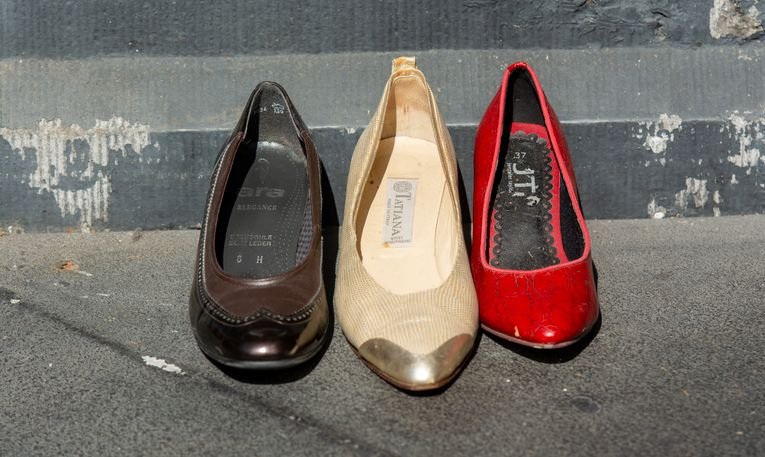
Vintage style shoes take design cues from earlier decades, rounded toes, T-bar straps, chunky heels, and pointed oxford lines, reinterpreted in modern comfort and materials. Unlike genuine vintage pieces, vintage-style shoes are newly made, which means better availability in a full size range and construction built for regular wear rather than a fragile, decades-old original.
1920s Style Shoes
1920s style shoes are defined by T-bar and Mary Jane straps, low block heels, and decorative details like buckles or contrast trim. This era’s footwear suits both occasionwear and everyday styling now, particularly paired with A-line dresses or flapper-inspired pieces for a themed event, or worn simply as a distinctive everyday shoe.
1940s Style Shoes
1940s style shoes carry a slightly more practical wartime-era influence: peep toes, moderate block heels, and sturdier construction than the previous decade’s more delicate designs. This style pairs naturally with tea dresses and high-waisted trousers, and its moderate heel height makes it one of the more comfortable vintage styles for extended wear.
1950s Style Shoes
Fifties style shoes lean towards kitten heels, pointed toes, and saddle or two-tone designs, reflecting the era’s more polished, feminine silhouette. This is one of the most widely available vintage-inspired categories today, since 1950s styling has stayed continuously influential in mainstream fashion rather than cycling in and out of trend.
Oxford Style Shoes
Oxford style shoes, originally a menswear design later widely adopted into women’s fashion, feature a low heel, closed lacing, and a structured, slightly formal silhouette. Oxford style shoes for women work particularly well for smart-casual and workwear styling, offering a comfortable alternative to heels without sacrificing a polished look.
Choosing Vintage Style Shoes by Era
| Era | Key Features | Best Paired With |
|---|---|---|
| 1920s | T-bar straps, low block heel, decorative buckles | Flapper dresses, A-line silhouettes |
| 1940s | Peep toes, moderate block heel, sturdy construction | Tea dresses, high-waisted trousers |
| 1950s | Kitten heels, pointed toes, two-tone designs | Fit-and-flare dresses, pencil skirts |
| Oxford (menswear-inspired) | Low heel, closed lacing, structured toe | Tailored trousers, workwear |
Comfort Considerations for Vintage Style Shoes
Many vintage-inspired designs, particularly 1920s and 1950s styles, favour form over cushioning in their original construction, though modern versions increasingly include contemporary comfort features like padded insoles and more flexible soles. Checking specifically for these updates matters if the shoes are intended for regular wear rather than occasional or event styling. For heel-specific comfort fixes, see our guide on how to make heels more comfortable.
Styling Vintage Shoes With Modern Outfits
Vintage style shoes do not need to be worn head-to-toe with a fully themed vintage outfit; a single vintage-inspired shoe often works well as a distinctive accent within an otherwise modern outfit. A pair of 1950s-style kitten heels with contemporary trousers, or oxford shoes with a modern tailored dress, gives a nod to the era without a full period costume approach.
Vintage Style Shoes for Themed Events
For decade-themed parties, fancy dress events, or period-specific occasions, choosing shoes matched specifically to the correct era adds significantly more authenticity than the outfit alone. Pairing the right shoe silhouette with the rest of a themed look, our guide to Halloween outfit ideas covers costume building more broadly if the occasion calls for a fuller themed look.
Caring for Vintage Style Shoes
- Use a shoe tree to maintain shape between wears, particularly for structured styles like oxfords.
- Condition leather regularly to prevent cracking, especially on styles with decorative straps or buckles that see repeated flexing.
- Store away from direct sunlight, which can fade colour and dry out leather over time.
- Rotate between pairs if worn regularly, allowing materials to fully recover between wears.
Shopping for Vintage Style Shoes on a Budget
Vintage-inspired shoes do not require vintage pricing; many modern retailers reproduce these silhouettes at accessible price points without sacrificing the design details that define each era. For other distinctive boot styles worth knowing, see our guides to western and cowboy boots and riding boots for women. For more affordable footwear options, see our guide to the best comfortable walking shoes for women in the UK.
Frequently Asked Questions
What is the difference between vintage shoes and vintage-style shoes?
Vintage shoes are genuine period pieces, often decades old, while vintage-style shoes are newly made in a modern size range and construction, designed to reflect the look of a specific era without the fragility of an original.
Are 1920s style shoes comfortable for regular wear?
Modern 1920s-style shoes often include contemporary comfort updates such as padded insoles, though the low block heel and structured strap design of the original style are generally reasonably comfortable compared to higher, thinner heels.
What outfit works best with oxford style shoes?
Tailored trousers, workwear-inspired outfits, and smart-casual dresses all pair well with oxford style shoes, which offer a polished, structured look without the height or discomfort of a heel.
Can vintage style shoes be worn with modern outfits?
Yes, a single vintage-inspired shoe often works as a distinctive accent within a modern outfit, without needing the rest of the look to match the same era.
Which vintage shoe era is most versatile for everyday wear?
1950s-style kitten heels and oxford styles tend to be the most versatile for everyday wear, since both have stayed continuously present in mainstream fashion rather than being tied strictly to costume or themed styling.
Final Thoughts
Vintage style shoes offer a distinctive way to add character to an outfit, whether that is a full period-accurate look for a themed event or a single statement pair worn with modern clothing. Matching the era’s defining features, T-bar straps for the 1920s, peep toes for the 1940s, kitten heels for the 1950s, gives the most authentic result. For a broader look at historical style beyond footwear, see our guide to fashion through the decades.
Written by the CheapTomsSale editorial team, covering affordable women’s shoes and style guides for UK shoppers.