
Best Budget Trench Coat UK Women
Best Budget Trench Coat UK Women
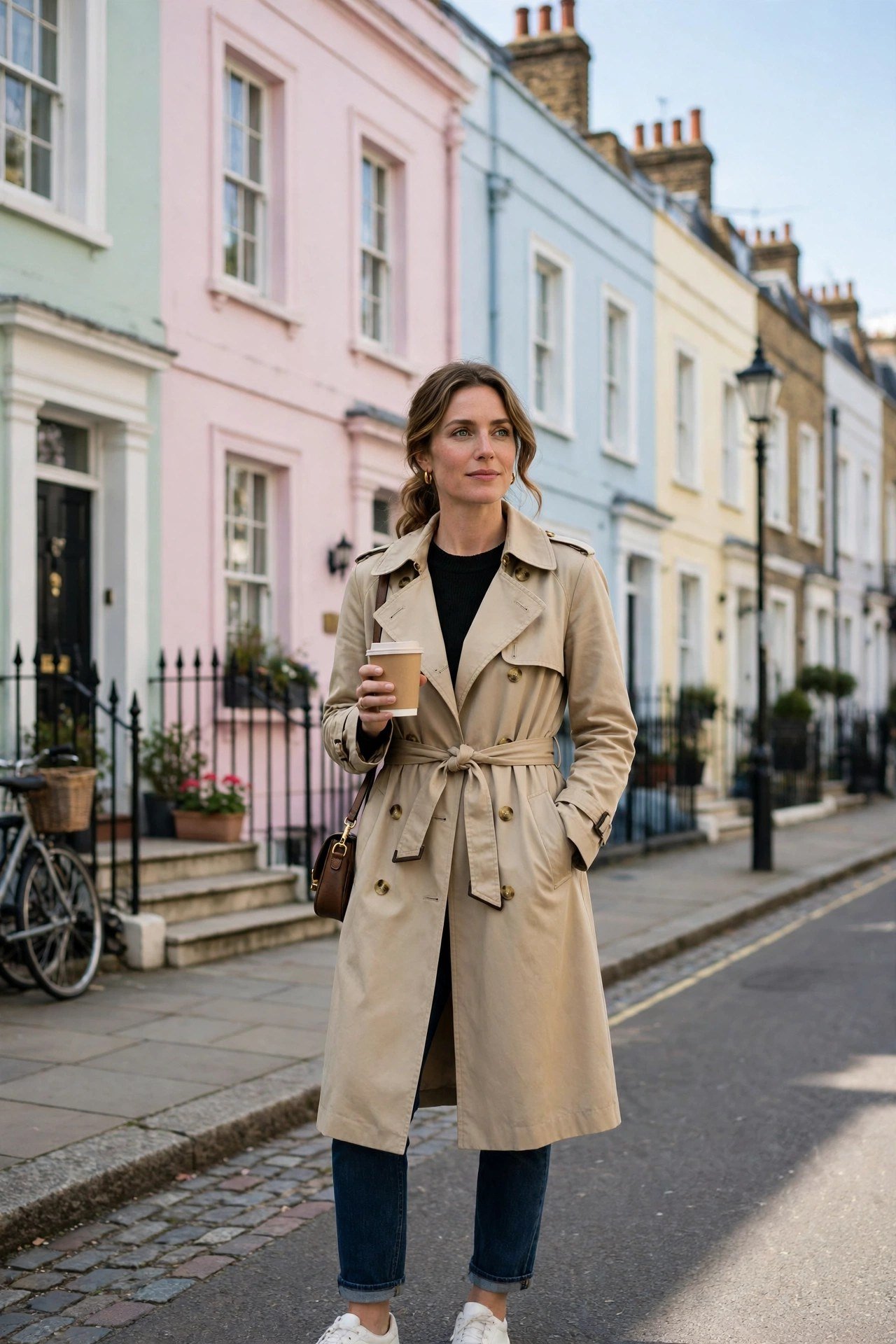
A trench coat is the hardest working coat a UK woman can own. It handles spring showers, autumn drizzle and cool summer evenings, and it makes almost any outfit look smarter. Yet trench coats have a reputation for being expensive, and many women are not sure what makes one trench worth 40 pounds and another worth 200. This guide covers the best budget trench coat UK women can buy, with a strict under-70-pound budget, petite and plus-size fit notes, a plain-English waterproof versus water-resistant explainer, and a clear trench versus raincoat versus jacket distinction.
Everything here is written for real UK shops and real UK budgets. No coat in this guide costs more than 70 pounds.
What Is a Trench Coat?
A trench coat is a long, double-breasted coat with a belt, wide lapels and a storm flap across the shoulders. It was first made for soldiers in the First World War, from cotton gabardine, a tightly woven fabric that sheds rain. The classic design has barely changed in a hundred years, because it works.
Look for these features when you shop. A double-breasted front with two rows of buttons. A fabric belt with a buckle, tied at the waist. Epaulettes on the shoulders, originally for military rank. A storm flap over one shoulder, which stops rain running down the chest. A back vent, so the coat moves when you walk. And a lining, which keeps the coat comfortable and stops it clinging.
Modern budget trenches keep most of these features. Some have a single-breasted front, which is simpler and easier to wear. Some have a removable lining, which makes the coat useful in more seasons. The core of the coat is the same: a long, belted, water-shedding coat that works over almost anything.
Trench vs Raincoat vs Jacket: The Difference
Shoppers often confuse these three, but they do different jobs. Here is the short version.
| Coat | Best for | Rain protection | Look |
|---|---|---|---|
| Trench coat | Smart everyday, work, spring and autumn | Water-resistant, light rain | Long, belted, classic |
| Raincoat | Heavy rain, wet commutes, walking | Waterproof, heavy rain | Practical, often hooded |
| Waterproof jacket | Hiking, heavy rain, active days | Waterproof, sealed seams | Sporty, shorter cut |
A trench coat is the smart choice. It looks polished over work clothes, dresses and jeans. A raincoat is the practical choice for heavy rain. A waterproof jacket is the active choice for walking and hiking. If you want the full comparison, read our guide to the best budget raincoat, which covers raincoats in depth. This guide is about trenches: how to choose one, how it should fit, and how to style it.
Waterproof vs Water-Resistant: What a Trench Can Actually Do
This is the most misunderstood part of trench coat shopping. Most trench coats are water-resistant, not waterproof. The difference matters in UK weather.
Water-resistant means the fabric sheds light rain for a while. The tightly woven cotton or polyester lets water bead and roll off, but in steady rain the fabric eventually soaks through. A water-resistant trench handles a shower, a drizzle and a short walk in rain. It does not handle a downpour.
Waterproof means the fabric stops water getting through, usually with a coating or a membrane and sealed seams. A waterproof coat keeps you dry in heavy rain. Most classic trench coats are not waterproof, because the traditional cotton gabardine has no membrane. Some modern trenches add a water-repellent coating, which improves the protection, but they are still not fully waterproof.
Here is what this means in practice. A trench coat is the right coat for a dry day with a chance of showers, a light drizzle, or a short walk between the car and the office. It is the wrong coat for a long walk in heavy rain. On a wet day, wear a raincoat or a waterproof jacket instead, and save the trench for drier days.
You can improve a trench coat with a water-repellent spray, the same kind used for suede boots and outdoor gear. Spray the coat evenly, let it dry for 24 hours, and reapply every few months. The spray helps water bead on the fabric, but it does not make the coat waterproof. Check the care label before you spray, because some linings and finishes do not take well to sprays.
Best Budget Trench Coats Under £70
You do not need to spend 200 pounds on a trench coat. The high street covers every price band under 70 pounds, and the differences are mostly about fabric and finish.
Under 40 pounds. Supermarket clothing ranges and value high street shops are your best bet. Look for a single-breasted trench in polyester or a cotton blend, with a belt and a lining. At this price, check the buttons and the belt buckle before you buy, because cheap hardware is the first thing to fail.
40 to 55 pounds. This is the sweet spot for a budget trench. The big high street chains all carry double-breasted trenches in this band, in cotton-rich fabrics with a proper lining. You get better buttons, a neater belt and a cleaner cut. Look for a trench with a storm flap and a back vent, which are the details that make a trench look like a trench rather than a long raincoat. This is also the band where you find the widest choice of colours beyond beige.
55 to 70 pounds. At this level you can buy a trench that lasts for years. Look for cotton gabardine or a high cotton blend, a full lining, and horn or covered buttons. A well made trench in this band keeps its shape after many wears and many washes. This is also the band for a longer trench, which uses more fabric and costs more to make. Check the returns policy before you buy online, and try the coat on with the clothes you will wear under it, because a trench that fits over a jumper is different from one that fits over a T-shirt.
Whatever your budget, the same rule applies. Spend your money on fabric and fit, not on brand names. A 45 pound trench that fits well and has a lining beats a 70 pound trench that is unlined and shapeless.
How a Trench Coat Should Fit
A trench coat should fit over your clothes without swamping you. The shoulders should sit on your shoulders, not droop past them. The belt should sit at your natural waist, not above or below it. The sleeves should end at your wrist bone, so your hands are free. And the coat should close without pulling across the bust or the stomach.
Petite women. A trench can easily overwhelm a petite frame. Choose a shorter trench that ends at or just above the knee, not a long one that ends at mid-calf. Look for a single-breasted style, which has less fabric and looks lighter. Avoid very wide lapels and oversized epaulettes, which add bulk. A belt tied at the waist defines your shape and stops the coat looking like a tent. If the sleeves are too long, a tailor can shorten them cheaply, which is worth doing on a coat you will wear for years.
Plus-size women. A trench is one of the most flattering coats for plus-size figures, because the belt defines the waist and the long line lengthens the body. Choose a double-breasted trench with a belt, and make sure the buttons do not gap across the bust. If they do, go up a size and have the belt taken in, or choose a single-breasted style, which is more forgiving across the bust. Avoid very stiff fabrics, which add bulk. A softer cotton blend drapes better. And check the back vent: a coat with a generous vent moves well when you walk and sit.
For every body type. Try the coat on with a jumper underneath, not just a T-shirt. A trench that fits over a T-shirt can be too tight over a jumper, and you will wear it over jumpers most of the year. Walk in the coat, sit in it, and raise your arms. If it pulls or rides up, it is the wrong size or the wrong cut.
Trench Coat Lengths: Which One Suits You
Trench coats come in four main lengths. The right one depends on your height and how you will wear it.
Short trench (hip length). The most casual length. It works well with jeans and trousers, and it suits petite women best. It is less formal than a longer trench, and it does not protect your legs from rain. Choose a short trench for everyday wear and weekends.
Knee-length trench. The most useful length for most women. It covers a dress or a skirt, it looks smart over work clothes, and it suits every height. If you buy one trench, buy a knee-length one. It is the classic length and the easiest to style.
Midi trench (below the knee). The most elegant length. It looks polished over a midi dress or wide-leg trousers, and it gives the most rain protection. It suits average and tall women best. Petite women should try it on carefully, because a midi trench can shorten the leg line.
Long trench (mid-calf or longer). The most dramatic length. It makes a strong style statement and gives the most coverage in rain. It suits tall women best and works well over evening clothes. It is the least practical for walking and for the school run, because the long hem catches on things and gets wet at the bottom.
How to Style a Trench Coat
A trench coat is easy to style because it goes with almost everything. Here are the combinations that work best.
For work. A beige trench over a shift dress or tailored trousers, with court shoes or loafers, is a classic work outfit. Keep the belt tied, not hanging loose, so the coat looks smart. A black trench over a black dress is a sharp, polished look for smarter offices. Add a simple scarf in a colour that picks up your top.
For the weekend. A trench over jeans and trainers is the relaxed weekend look. Leave the belt undone and let the coat hang open, which looks casual and shows the outfit underneath. A striped top under a trench is a classic combination that never looks dated. Roll the sleeves up to the elbow for a relaxed feel.
For an evening out. A trench over a dress, with heeled boots or heels, works for dinner and the theatre. Choose a darker trench, such as navy or black, for evening. A belt tied at the waist over a dress creates a polished silhouette. Carry a small bag rather than a large tote, so the outfit stays balanced.
Layering under a trench. A trench is a spring and autumn coat, so layering matters. In cool weather, wear a thin jumper or a shirt under the coat. In colder weather, add a scarf and gloves. For ideas on layering in wet and cold weather, read our guide to how to dress for unpredictable UK weather. Avoid very bulky jumpers under a trench, because they spoil the line of the coat and make the belt hard to tie.
Trench Coat Colours: Beyond Beige
Beige is the classic trench colour, and it suits almost everyone. But it is not the only choice, and it is not always the best one for UK weather, because beige shows rain marks and dirt.
Black is the most practical trench colour. It hides marks, it goes with everything, and it looks smart for work and evening. A black trench is the best second trench if you already own a beige one.
Navy is softer than black and suits most skin tones. It works well with jeans, grey and cream, and it looks less harsh than black in daylight. Navy is a good choice if you find black too severe.
Khaki and olive are practical autumn colours. They hide dirt well and pair nicely with denim, cream and rust. They suit warm skin tones best.
Stone and cream look fresh and expensive, but they show marks fast. Save a pale trench for dry days and special occasions, and keep a darker one for everyday wear.
If you buy one trench, buy beige or black. Beige is the classic. Black is the most practical. If you buy a second, choose navy or khaki for variety.
How to Care for a Budget Trench Coat
A budget trench lasts for years if you care for it properly. The care is simple, but it matters.
Always check the care label before washing. Most budget trenches are machine washable on a cool, gentle cycle. Wash the coat on its own, or with similar colours, and use a gentle detergent. Do not use fabric softener, because it can damage the water-repellent finish. Hang the coat to dry, never tumble dry it, because the heat can shrink the fabric and warp the lining.
If the coat gets wet in rain, hang it up to dry at room temperature, away from radiators. Do not fold a wet trench into a bag, because the creases set and the fabric can smell musty. Brush the coat with a clothes brush after it dries to lift dust and surface dirt.
Reproof the coat once a year with a water-repellent spray, or more often if you wear it in rain a lot. Spray the coat evenly outdoors, let it dry for 24 hours, and test the beading by sprinkling water on the sleeve. If the water beads, the coating is working. If it soaks in, spray again.
Store the coat on a wide, sturdy hanger, not a wire one, so the shoulders keep their shape. Button the coat and tie the belt loosely for storage, so the fabric does not crease. Keep the coat in a dry cupboard, not a damp one, because damp causes mildew on cotton.
What to Avoid When Buying a Budget Trench
A few mistakes turn a good trench into a bad buy. Avoid them and your coat will last.
No lining. An unlined trench clings, feels cold and looks cheap. Always choose a lined trench, even if it costs a little more. The lining is what makes the coat comfortable and helps it hang properly.
Very thin fabric. Hold the fabric up to the light. If you can see through it, it will not keep out rain and it will not hold its shape. A good budget trench has a firm, tightly woven fabric with some weight to it.
Weak buttons and buckles. Check the buttons before you buy. Pull one gently. If it feels loose, it will fall off. Check the belt buckle too. A flimsy buckle breaks fast, and a trench without a working belt loses its shape.
The wrong size. A trench that is too big looks like a tent. A trench that is too small pulls across the bust and the belt will not meet. Try the coat on over a jumper, walk in it, and sit in it before you buy.
Buying a trench for heavy rain. A trench is water-resistant, not waterproof. If you need a coat for long walks in heavy rain, buy a raincoat or a waterproof jacket instead. A trench is the wrong tool for a downpour.
Frequently Asked Questions
Are budget trench coats worth buying?
Yes. A 40 to 70 pound trench from the high street, in a cotton-rich fabric with a lining, does the same job as a much more expensive one for everyday wear. Spend your money on fabric and fit, not on brand names, and check the buttons, belt and lining before you buy.
Is a trench coat waterproof?
Most trench coats are water-resistant, not waterproof. They shed light rain and drizzle, but they soak through in heavy rain. A water-repellent spray helps, but it does not make a trench waterproof. For heavy rain, wear a raincoat or a waterproof jacket instead.
What length trench coat should I buy?
Knee length is the most useful for most women. It covers a dress, looks smart for work and suits every height. Petite women should choose knee length or shorter. Tall women can wear midi or long trenches well.
Can petite women wear a trench coat?
Yes. Choose a shorter trench that ends at or just above the knee, in a single-breasted style with a defined waist. Avoid very wide lapels and long hems, which overwhelm a petite frame. A belt tied at the waist defines your shape.
How do I wash a trench coat?
Check the care label first. Most budget trenches are machine washable on a cool, gentle cycle. Wash the coat on its own, use a gentle detergent, do not use fabric softener, and hang it to dry. Never tumble dry a trench coat.
What colour trench coat should I buy first?
Beige is the classic choice and goes with everything. Black is the most practical, because it hides marks and looks smart for work and evening. If you buy one trench, choose beige or black. If you buy a second, choose navy or khaki.
Conclusion
The best budget trench coat UK women can buy is a lined, cotton-rich coat under 70 pounds that fits over a jumper, with a belt that sits at the natural waist and a length that suits your height. Remember what a trench can and cannot do: it sheds light rain and looks smart, but it is water-resistant, not waterproof, so save it for drier days and wear a raincoat in a downpour. Choose knee length if you buy one trench, beige or black for the colour, and care for the coat with gentle washing and a yearly reproofing spray. A good budget trench will carry you through spring and autumn for years.